

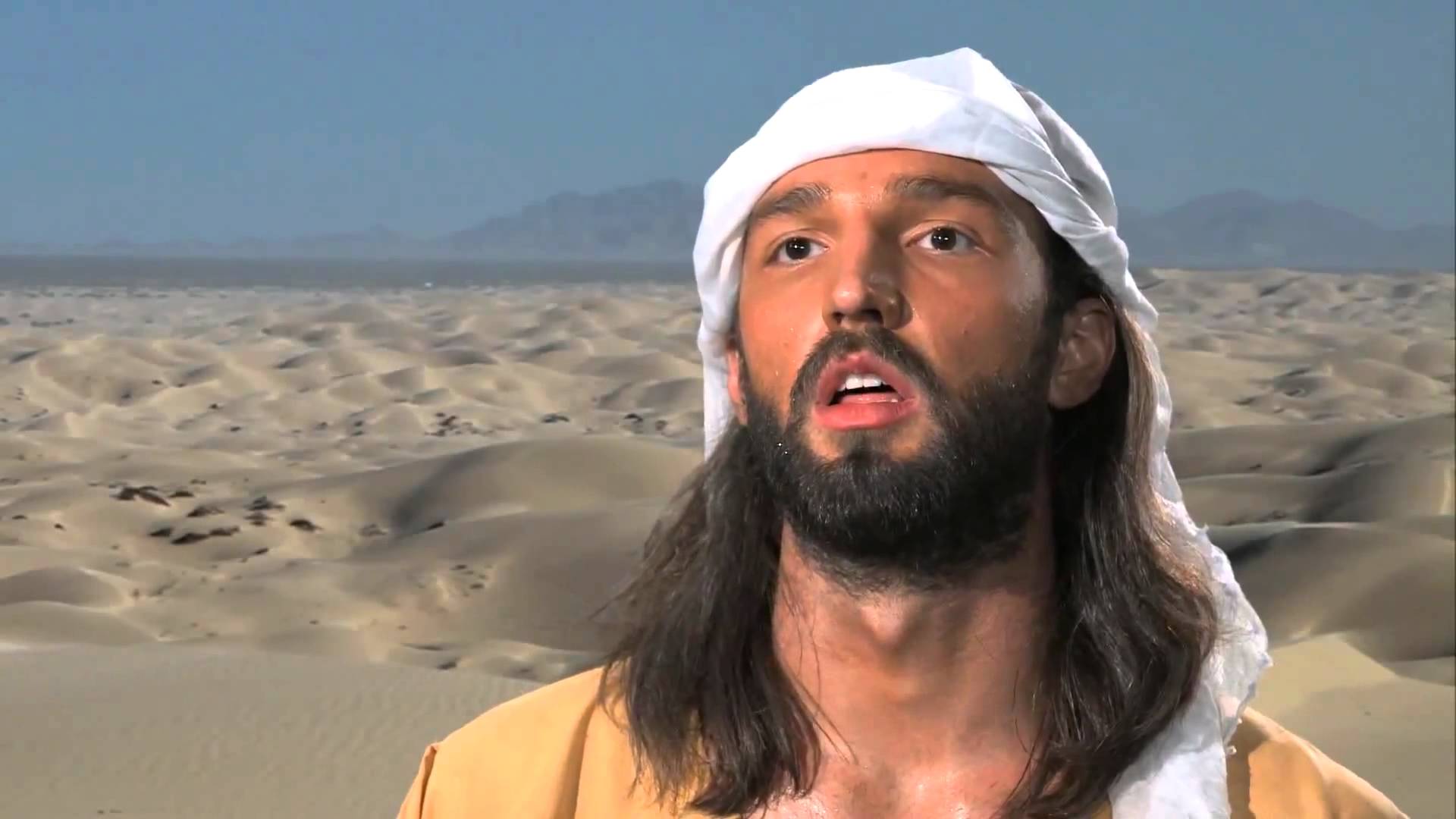

Kozinski lays out the facts in the first paragraph:
The film’s writer and producer, Mark Basseley Youssef—who also goes by the names Nakoula Basseley Nakoula and Sam Bacile—cast Garcia in a minor role. Garcia was given the four pages of the script in which her character appeared and paid approximately $500 for three and a half days of filming. “Desert Warrior” never materialized. Instead, Garcia’s scene was used in an anti-Islamic film titled “Innocence of Muslims.” Garcia first saw “Innocence of Muslims” after it was uploaded to YouTube.com and she discovered that her brief performance had been partially dubbed over so that she appeared to be asking, “Is your Mohammed a child molester?”
Garcia insisted that she was duped and thus never agreed to the movie. The court found that the alleged deception by Youssef nullified Garcia’s consent and validates her copyright argument.
even a broad implied license isn’t unlimited. . . . Garcia was told she’d be acting in an adventure film set in ancient Arabia. Were she now to complain that the film has a different title, that its historical depictions are inaccurate, that her scene is poorly edited or that the quality of the film isn’t as she’d imagined, she wouldn’t have a viable claim that her implied license had been exceeded. But the license Garcia granted Youssef wasn’t so broad as to cover the use of her performance in any project. Here, the problem isn’t that “Innocence of Muslims” is not an Arabian adventure movie: It’s that the film isn’t intended to entertain at all. The film differs so radically from anything Garcia could have imagined when she was cast that it can’t possibly be authorized by any implied license she granted Youssef.
The obvious concern is that actors will in the future be pressured to claim the same misrepresentation in demanding the removal of controversial films.
While I have tremendous respect for Kozinski, I share the concern with the dissenting judge that he is creating new law and overriding a trial judge who is ordinarily given great deference as the fact finder in such cases.
The district court did not abuse its discretion in concluding that the law and facts did not clearly favor Garcia. Instead, the majority makes new law in this circuit in order to reach the result it seeks. We have never held that an actress’s performance could be copyrightable. Indeed, “[t]here is little case law or statutory authority as to the position of performers as authors of an audiovisual work under U.S. law.” F. Jay Dougherty, Not a Spike Lee Joint? Issues in the Authorship of Motion Pictures under U.S. Copyright Law, 49 UCLA L. Rev. 225, 300 (2001).
I think both opinions are quite strong and worth a reading if you have time.
We have previously discussed how free speech values are being scuttled through hate speech and anti-discrimination laws. This would create a new possible weapon to use against controversial films. Google has been showing a commendable commitment to free speech in a variety of cases and controversies. It is promising to continue this fight which would involve either an en banc appeal (which would be advisable) and/or a petition to the Supreme Court.
Source: US News