

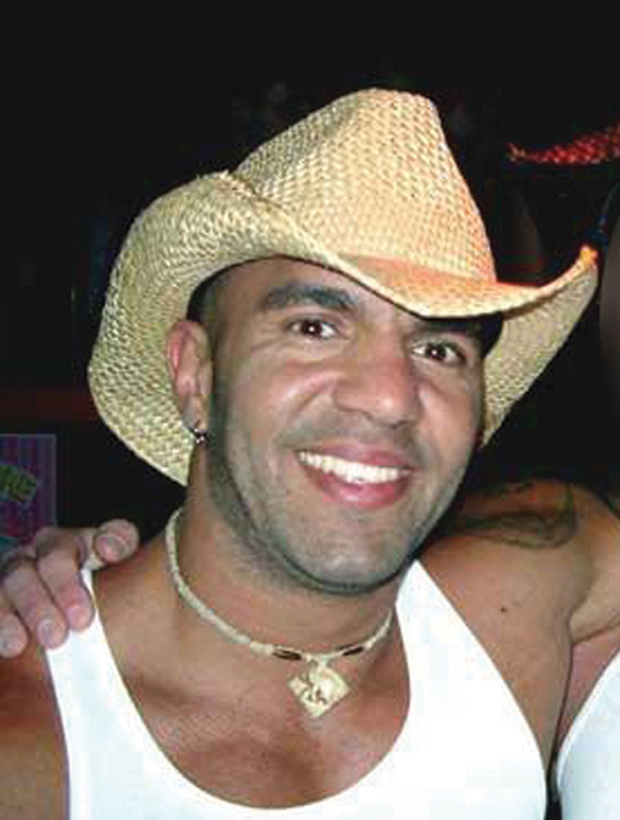
Ansari used his return to law school as a basis for an extension of his parole in the case and will now assume his studies. He had already completed two years before his conviction in 2008.
The Goos family is joined in their outrage over the re-admission but one of the school’s donors, Govin Roopra, who wrote them a letter to say that he was “staggered” to learn that Ansari received his $1,000 scholarship – while awaiting trial for the killing.
Mary Anne Bobinski, Dean of UBC’s Faculty of Law, insists that there is nothing that the law school can do about the re-admission because the university “generally does not investigate or assess its students’ personal lives and has no legal basis on which to prevent students with criminal records from attending UBC Law.”
He would still have to pass the character and fitness requirements before becoming a practicing attorney — no small feat with a manslaughter conviction of such gruesome dimensions. However, a criminal conviction is not necessary a bar. I had a woman in one class who had a bank robbery conviction and she was a terrific student and person. She had turned her life around and showed considerable character and strength in doing so.
In this case, the student is likely to argue that it was manslaughter and the light sentence would suggest mitigating circumstances. However, a violent killing of this kind would present a difficult question for any bar.
Source: VancouverSun