

Submitted by Darren Smith: Weekend Contributor
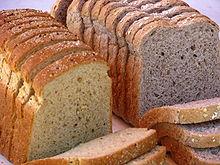
“These inmates have destroyed the American flag that was placed in their cells. Tearing them, writing on them, stepping on them, throwing them in the toilet, trash or wherever they feel,” Arpaio said in a statement. “It’s a disgrace to those who have fought for our country.”
Is this a fitting punishment for 21st Century American Corrections?
The punishment will last for seven days, he said, and a second offense would bring 10 more days of the sparse diet.
A sheriff’s spokesman said the bread provides the daily requirement of calories and nutrients that is necessary.
Are the flags posted in these jails there for ordinary posting of flags or an effort to set up inmates for additional punishment.
The county jail uses as cause jail and local statutes prohibiting the destruction of government property. Violating such rules in every jail or prison environment is an accepted part of operation and life when applied to the ordinary meaning of the word. But is the actions by the Maricopa county sheriff’s office going to far?
Few jails or prisons would place flags or anything else into jail cells or common areas that inmates would damage or use for nefarious purposes, especially items that have been shown to be routinely damaged and serve no real purpose to the operation of the institution or that are required by law. A flag in jail cells does not serve any purpose to security or safety.
While not condoning the actions of these inmates one has to wonder if these flags are just a setup to punish the inmates. Or, is it simply just an action with a lofty goal to instill civic responsibility and patriotism in the inmate population.
Aside from the obvious, the punishment of bread and water has been a form of degradation and inhumanity in human culture for centuries. The sanctions typically assessed by corrections officers include criminal charges for violations of law, isolation cells for safety threats or risks, loss of Television privileges, loss of commissary such as snacks and, special details. The latter few involve taking away of rewards. Under humane jail conditions inmates should not be punished by restraint, violence, depravation of food, warmth, bedding, or clothing, and protection from assault. Punishment should not be equated with safety, security, or protection.
Unfortunately Arizona statutory law does not specify directly what constitutes proper food for inmates. Arizona Revised Statute 31-11 reads in pertinent part:
“31-121. Duty of sheriff to receive and provide for prisoners; contracts for furnishing food; city or town prisoners; employment; canteens; special services fund; insurance; education programs
A. The sheriff shall receive all persons who are committed to jail by competent authority and provide them with necessary food, clothing and bedding, the cost of which shall be a county charge or, if a county jail district has been established, a charge of the district, except as otherwise provided by law.”
Dan Pochoda, legal director for the American Civil Liberties Union in Arizona, called the move by Sheriff Arpaio a “publicity stunt.” And, that it “It’s just another vindictive policy that has nothing to do with running a good jail system.”
From a jail management point of view, at least, providing substandard and poor meals to inmates is counterproductive as it has led to unrest and worse in some cases violence against the staff. So why would such a measure be implemented on this basis alone?
It surely seems this type of punishment, and degradation would not be favored at all by the Supreme Court especially in light of Texas v. Johnson, much less the lack of providing nutrition to inmates who as human beings cannot live by bread alone.
Perhaps some basic nutrition requirements of inmates should be addressed by the legislature if human decency is not to be found in certain jail settings.
Sources
Reuters
Arizona Revised Statutes
Texas v. Johnson
by Darren Smith
The views expressed in this posting are the author’s alone and not those of the blog, the host, or other weekend bloggers. As an open forum, weekend bloggers post independently without pre-approval or review. Content and any displays or art are solely their decision and responsibility