


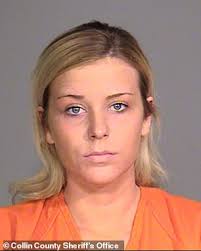
I teach “dram shop” cases in my torts class — cases where bars and bartenders are sued for “over serving” customers who later cause injuries to third parties. This week there is Texas case that involves a criminal charge against a bartender, Lindsey Glass, 27, who was arrested after allegedly violating the Texas Alcoholic Beverage Code. The man that she allegedly over-served was Spencer Hight, who killed eight people after leaving the Local Public House in Plano. The bar has also been sued by the families of the victims.
What is fascinating is that the fact show that Hight was clearly thinking of his murderous spree before his time at the Local Public House. The question is how to separate the influence of the alcohol from such a homicidal inclination. As a general rule, the common law was hostile to the claim of a right of action against a seller of alcoholic beverages for injuries caused by an intoxicated person. The independent decision of the person to drink to excess was viewed as cutting off proximate causation. Here Hight was not just inclined to drink but kill.
Under Texas law, it is a crime “if the person with criminal negligence sells an alcoholic beverage to an habitual drunkard or an intoxicated or insane person.”
Glass was working at the Local Public House on the night of Sept. 10, 2017 when Hight came in. Glass proceeded to create a record of texts where she noted, against interest, that Hight had clearly been drinking before his arrival.
She told fellow bartender Timothy Brandt Banks that Hight was “drunk and being weird.” She knew Hight and said that he “had 2 gins and he only had 2 beers and a shot when he came back [sic] I think he was at another bar while he was gone.” She served him and later sent a text that said “Spencer has a big knife on the bar and is spinning it and just asked for his tab and said I have to go do some dirty work … Psychoooooooo.”
Hight then allegedly displayed a gun and Banks escorted him out of the bar to his car. Banks said that he asked him to leave his weapons before coming back into the bar. According to the civil complaint:
“During this time, Banks suggested that due to Hight’s extreme intoxication, he should let Banks drive him home or call an Uber. Hight told Banks he was having problems with his estranged wife and had something to do ‘tonight.’ Banks told Hight he should do them when he is sober to which Hight responded that he ‘couldn’t do the things he needs to do tonight without being this intoxicated.'”
One of the most damaging allegations is that Banks asked the owner of the bar, Jerry Owen, to ask whether he should call the police because he was concerned “something bad was going to happen.” Owen allegedly told the bartender not to call authorities.
What is interesting is that Banks and Glass allegedly took it upon themselves to follow Hight and Glass was the one who called 911 but it was too late.
Hight went from the bar and barged into the home of his ex-wife, Meredith Hight, and killed 8 people before he was shot and killed by police. His autopsy found that Hight had a blood alcohol level of 0.33 which is four times the state’s legal limit for driving.
Police say that Glass actually followed Hight to the home and called 911. However, the killings had occurred.
While the bar insists that it is innocent, it agreed to give up its alcohol license.
The civil lawsuit alleges that Hight was stumbling drunk when he entered the bar. That would seem a strong case under the Texas dram shop. However, there is the question of the premeditation or inclination of the Hight regardless of the alcohol.
In this case, Banks sought permission to call the police and Glass did call the police. Yet, she is the one charged. It is hard not to conclude that the over-serving charge was a substitute for punishing her for not calling the police earlier.
What do you think?