


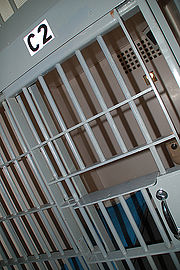
From my experience as a criminal defense attorney, the violations described in a case of his kind rarely warrant the 4-month term demanded for Nakoula Basseley Nakoula. In addition, the federal authorities insisted on his being jailed as a flight risk, though it is unclear why that is the case and why he could not be given an electronic bracelet.
Magistrate Judge Suzanne H. Segal found that Nakoula exhibited a “lengthy pattern of deception” and posed “some danger to the community.” I can see the basis for the first conclusion but not the evidence of a danger to the community. My concern is that the response to his film — which is a protected act of free speech — was weighed in the balance of such a decision. Nakoula is accused of eight charges of probation violation including making false statements to authorities about the film. He reportedly admitted that he wrote the film but authorities insist that he did not fully explain his role.
The U.S. Attorney suggested that he might charge Nakoula with making false statements about the film — charges that would seem an obvious act of retaliation by the Administration.
The distrust shown by many free speech advocates, including myself, is that the Administration has a checkered history of claiming to support free speech while supporting the creation of an international blasphemy standard. The federal agents quickly moved against the filmmaker after the controversy. Probation rules are written in a way that make it relatively easy to find violations. The immediate scrutiny left many with the impression that the Obama Administration wanted to show Arab allies that the filmmaker was under arrest while professing a commitment to free speech.
Source: LA Times